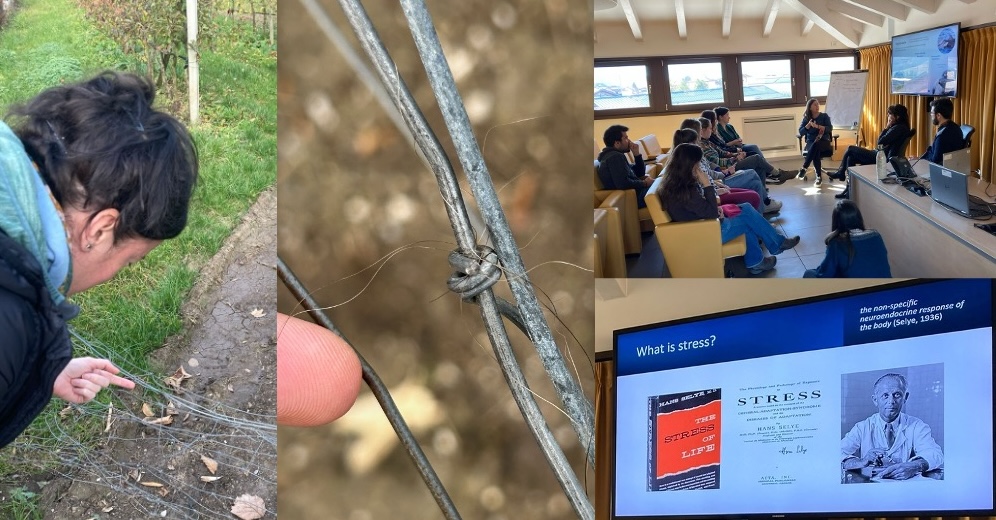
Haematological parameters are essential indices for assessing the function of blood and reflecting not only the health status of animal, but also their physiological adaptation to the environment. Furthermore, it has been highlighted that hematological parameters are affected by anthropogenic factors. However, the common (and major) caveat in health assessment in wildlife with blood analyses is the lack of baseline data for many species and populations. Using the results of long-term collection of complete blood count reports of bears from the Greater Yellowstone Ecosystem, a large group of healthy reference individuals was selected, and based on this, we are establishing reference intervals. At the same time, we are investigating the extent to which these parameters reflect individual quality, and changes in habitat use and foood resources over the last two decades. After verifying the models on the Yellowstone Greater Ecosystem population, our analyses will be extended to the Dinaric and Carpathian populations, using available hematological data and body condition indicators and blood fatty acid profiles. As part of this ongoing research project, our colleague, Dr. Agnieszka Sergiel, conducted an eight-day research visit to San Michele All’Adige in Italy. San Michele All’Adige is located in the province of Trentino, which is home to an Alpine population. Our team has been working for several years with colleagues who study and manage this population. In addition to intensive work with the results of bear blood tests, numerous scientific meetings, and inspiring discussions about further joint research plans, on November 14, Agnieszka gave a seminar entitled “Stress in the wild: insights from conservation physiology”.
You can read more about the Institute and the seminar here
https://cri.fmach.it/en/Il-Centro/Comunicazione/Eventi/Prof.-Agnieszka-Sergiel-s-seminar