The WildINTEL and BIG_PICTURE projects successfully hosted a joint symposium at the 8th European Congress of Conservation Biology (ECCB 2026) in Leiden, bringing together researchers from across Europe to explore the latest advances in camera-trap-based wildlife monitoring. The symposium highlighted how technological innovation, citizen science, and international collaboration are helping to build the next generation of biodiversity monitoring systems. How could those advances help bear monitoring at local, national, and European levels?
Better survey designs. Reliable monitoring starts long before the first camera is installed. The number and placement of camera traps should reflect landscape complexity and species ecology. When properly accounted for, survey design can improve estimates of occupancy, abundance, and long-term population trends.
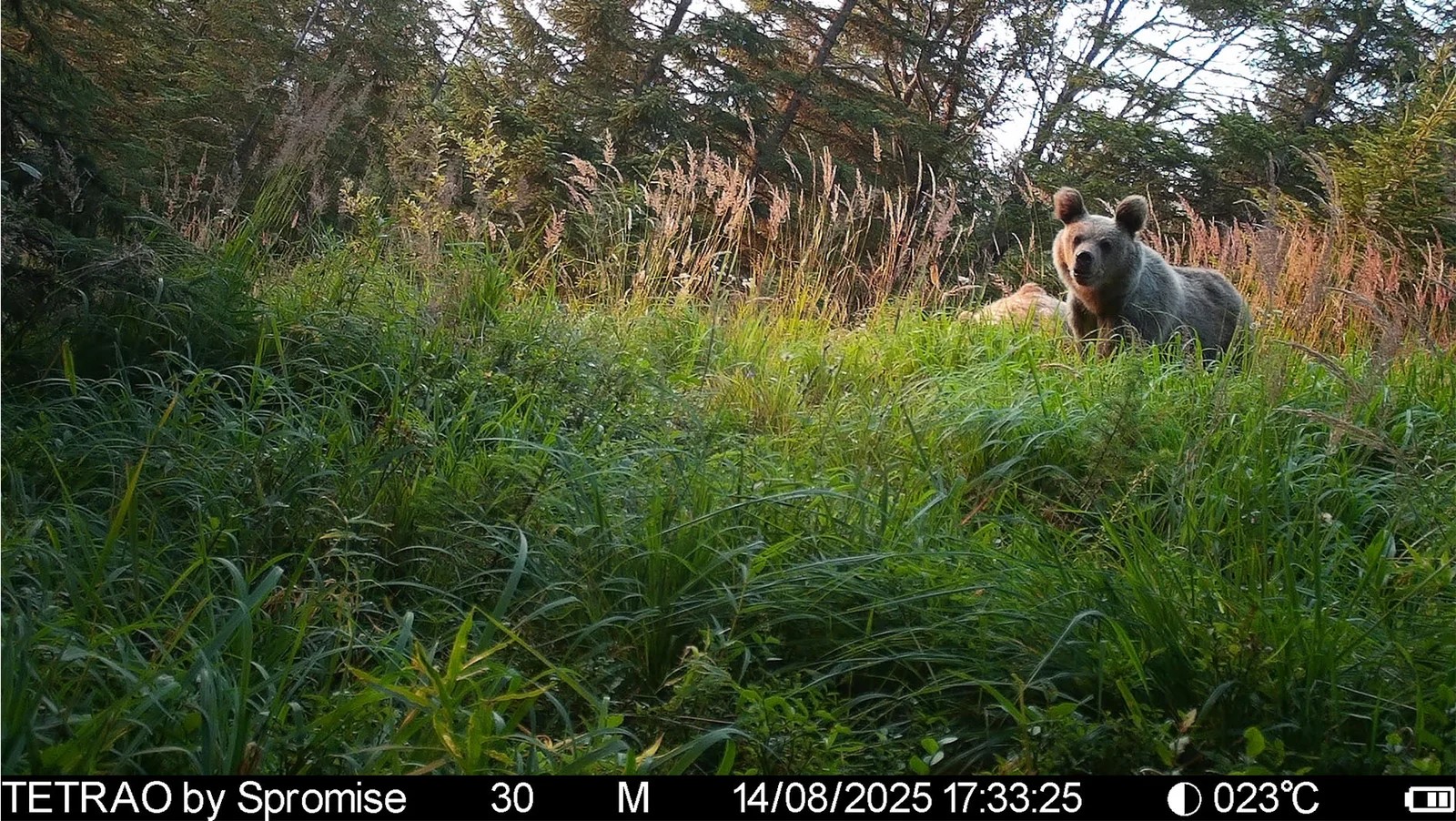
Faster image processing through AI and citizen science. Large monitoring programs generate millions of images. Citizen science platforms, such as Zooniverse, together with AI-assisted platforms like TRAPPER, can dramatically reduce the time needed to classify images. Still, to maintain high data quality, expert validation of a subset of images is needed. Fancy spotting a bear moving in the Carpathian Mountains from your sofa? Check the Tatra workflow in the European Camera Trap Project.
Turning images into ecological knowledge. Modern analytical methods transform camera-trap records into ecological indicators relevant for conservation. Examples include mapping species distributions and occupancy, estimating population density using Random Encounter Models, integrating structured and opportunistic camera-trap datasets to improve density estimates, and inferring habitat use and activity patterns just with camera-trap data – no GPS collars needed.
Publishing FAIR biodiversity data. The symposium highlighted how common standards such as CamtrapDP and publication through infrastructures such as GBIF and GEOBON make camera-trap datasets interoperable, reusable and FAIR (Findable, Accessible, Interoperable and Reusable). For bear monitoring, this means that data collected by different projects and countries can contribute to assessments of trends in population status, which is pivotal to inform policy at national and EU levels.
Working with stakeholders. Even the best analytical tools only have conservation impact if they are adopted in the field by managers. Close collaboration between researchers, protected areas, wildlife managers and governmental agencies is essential to allow these new monitoring approaches to be implemented in the field.